💡 DIY Computer Fixes?
Grab my easy step-by-step guide and keep your computer running like new.
The Hidden Environmental Cost of the AI Boom
Artificial intelligence is everywhere right now.
It writes emails, edits photos, answers questions, and even helps companies make big decisions. On the surface, it all feels fast, helpful, and almost magical.
But behind the scenes, there’s a cost most people aren’t talking about — and it’s paid by the environment.
AI Isn’t “In the Cloud” — It Lives in Data Centers
When people hear “AI,” they often imagine software floating around harmlessly online. In reality, AI runs on massive data centers filled with thousands of powerful computers working nonstop.
These data centers:
-
Use huge amounts of electricity
-
Run 24 hours a day
-
Require constant cooling to prevent overheating
That electricity has to come from somewhere. In many parts of the world, it still comes from fossil fuels.
Training AI Uses an Enormous Amount of Energy
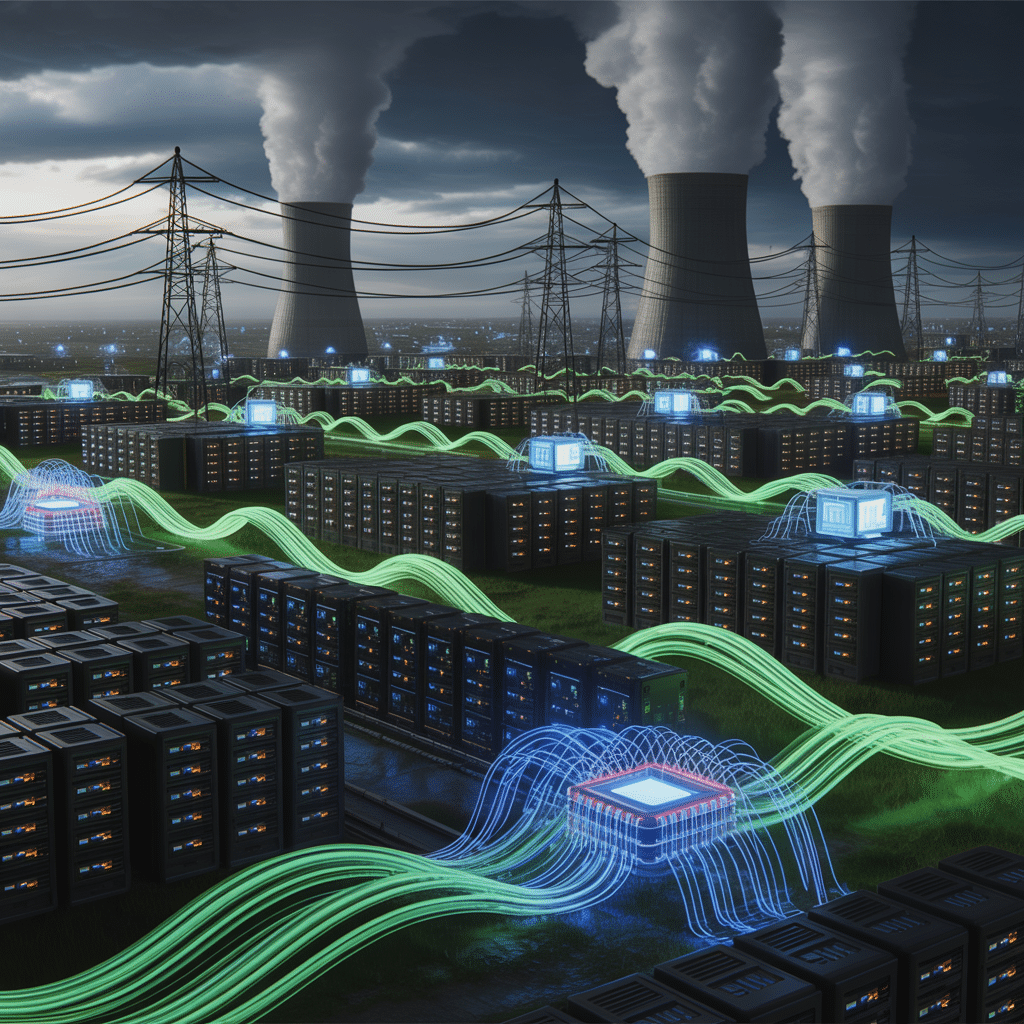
One of the biggest environmental impacts happens before you ever use an AI tool.
Training large AI models can take:
-
Weeks or months of nonstop computing
-
Enough energy to power hundreds or even thousands of homes
-
Massive cooling systems that consume large amounts of water
Once trained, the model still needs energy every time someone uses it — and millions of people are using AI tools every day.
Water Use Is a Growing Problem
This part surprises many people.
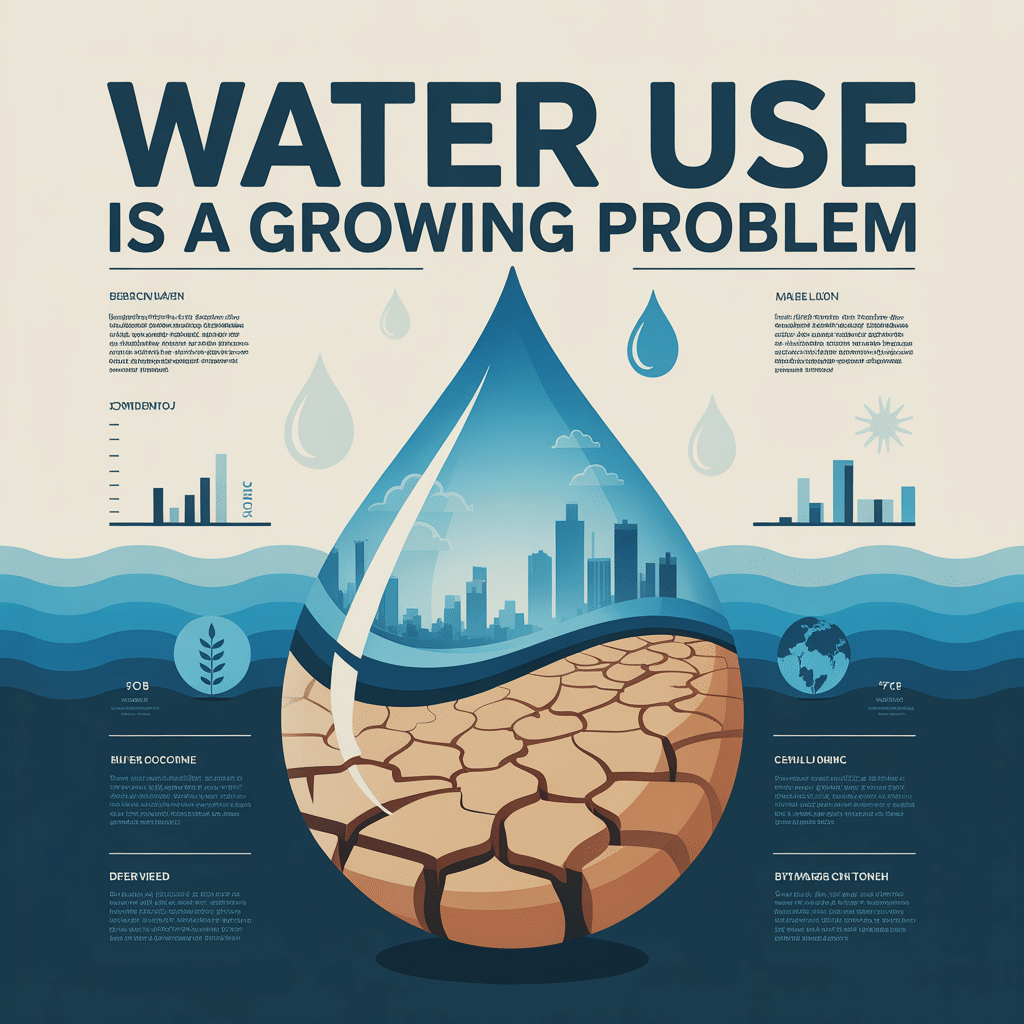
Data centers often rely on water-based cooling systems. As AI usage grows, so does water demand — sometimes in areas that already struggle with water shortages.
In some regions, data centers compete with local communities for water resources. That’s not a future concern — it’s already happening.
The Hardware Problem Nobody Likes to Mention

AI doesn’t run on thin air. It depends on specialized hardware like GPUs and servers, which:
-
Require mining of rare earth materials
-
Have a limited lifespan
-
Eventually turn into electronic waste
As AI demand increases, so does the production of hardware — and so does the environmental damage tied to manufacturing and disposal.
Efficiency Isn’t Keeping Up With Growth
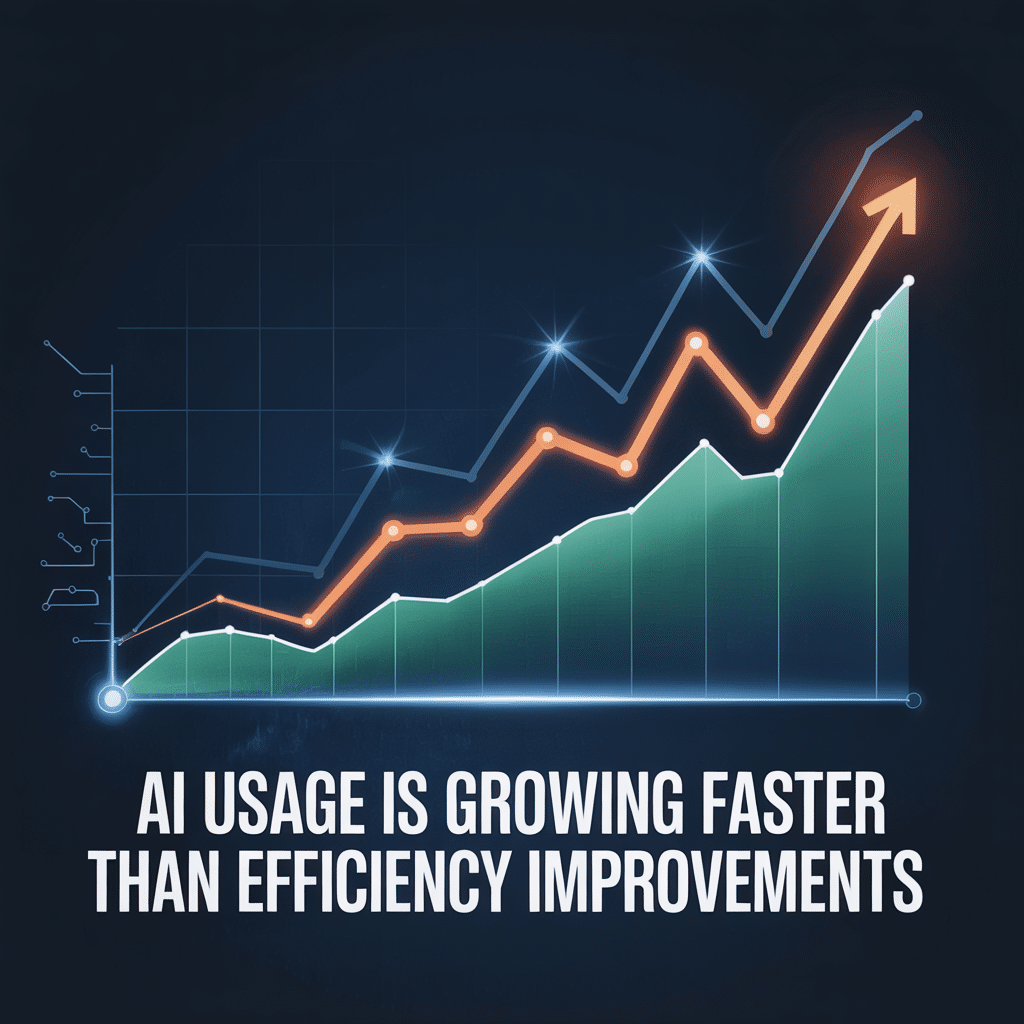
Yes, companies are working on making AI more efficient.
But here’s the problem: AI usage is growing faster than efficiency improvements.
Even if each request becomes slightly “greener,” the sheer volume of AI use can still lead to a bigger overall environmental footprint.
It’s similar to fuel-efficient cars — if people drive more than ever, total fuel consumption can still rise.
Why This Matters

AI isn’t going away, and it shouldn’t. It has real benefits.
But pretending it’s environmentally harmless doesn’t help anyone.
If we don’t talk about the energy, water, and resource costs now:
-
Companies have less incentive to build responsibly
-
Governments delay setting standards
-
Consumers stay unaware of the trade-offs
Technology should move us forward — not quietly create new problems we only notice years later.
A More Honest Conversation About AI

This isn’t about fear or rejecting progress.
It’s about balance and transparency.
We can:
-
Demand cleaner energy for data centers
-
Support smarter, more efficient AI development
-
Be mindful of using AI when it actually adds value
AI may feel invisible, but its environmental impact is very real.
And like most things in tech, the sooner we acknowledge the downside, the better chance we have of fixing it.